Choosing a solar and inverter system is not simply a matter of buying the biggest inverter available. A reliable system begins with a clear understanding of what you want to power, how long each appliance runs, and how much sunlight is available at the installation site.
1. Start with a realistic load audit
List every appliance that must run during an outage or after sunset. Record its rated wattage and expected daily operating hours. Separate essential loads such as lights, fans, internet equipment, security systems and refrigerators from optional heavy loads such as air conditioners, water heaters, pumps and electric cookers.
Multiply each appliance's wattage by its daily operating hours to estimate watt-hours. Add the results to obtain your estimated daily energy demand. Appliances with compressors or motors can draw a high startup current, so the inverter must also handle short power surges safely.
2. Select the inverter capacity
The inverter's continuous rating should comfortably exceed the combined wattage of appliances that may run at the same time. Allowing a sensible safety margin reduces stress, heat and nuisance shutdowns. Also confirm the inverter's surge rating, output waveform and compatibility with the selected battery voltage.
Pure sine-wave inverters are generally preferred for offices, homes and sensitive electronics because their output is suitable for a wider range of equipment.
3. Size storage around usable energy
Battery capacity should be based on the energy needed after allowing for conversion losses and the battery's recommended depth of discharge. Lithium batteries often provide more usable capacity and cycle life than traditional lead-acid batteries, while lead-acid options may have a lower initial purchase price. Whichever chemistry you choose, provide correct protection, ventilation and manufacturer-approved charging settings.
4. Match the solar array to the daily demand
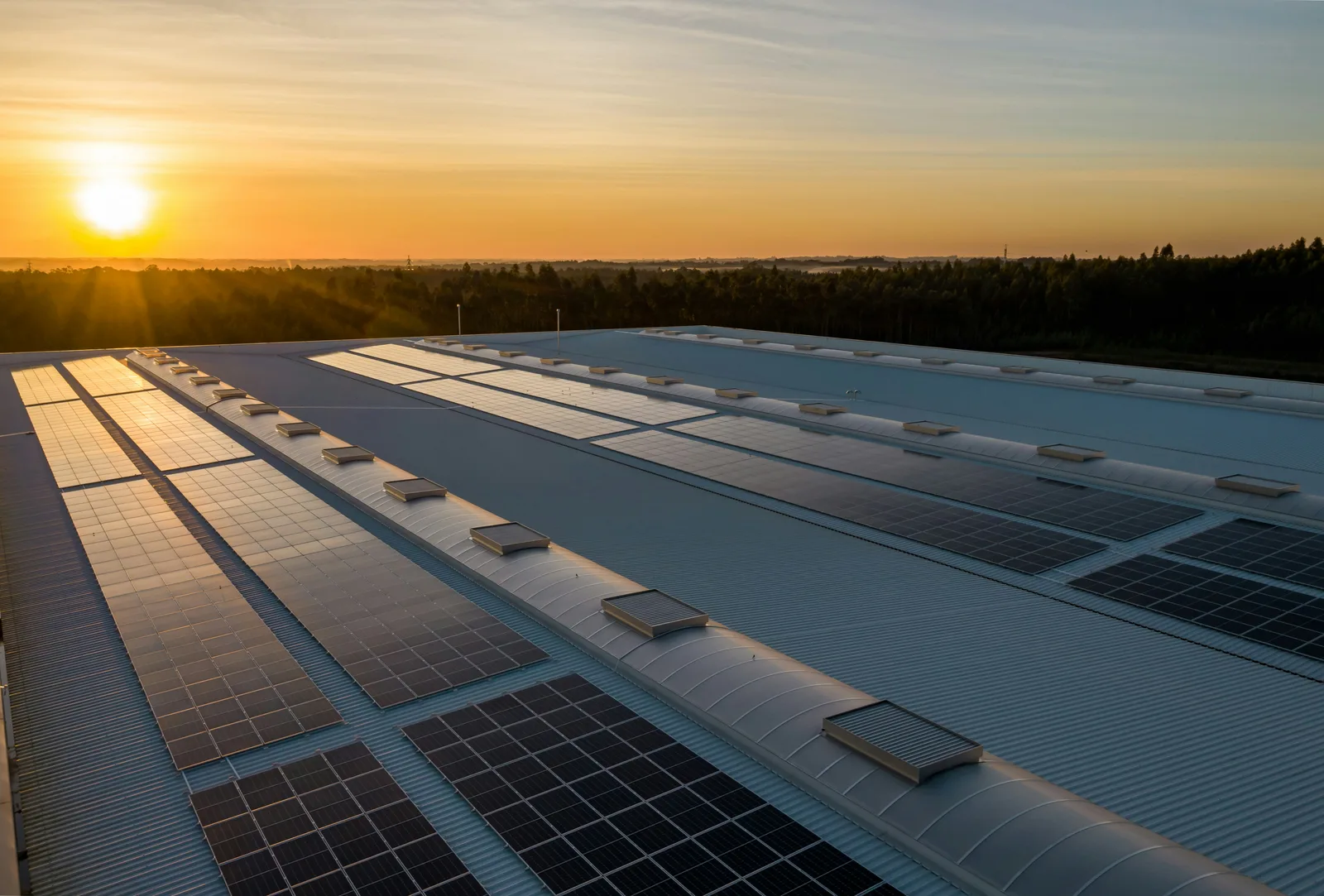
Your panels must produce enough energy to serve daytime loads and recharge the batteries. Panel output varies with location, season, roof direction, tilt, temperature, shade and system losses. A professional site survey is essential: even partial shading on one section can reduce overall production.
5. Do not overlook balance-of-system components
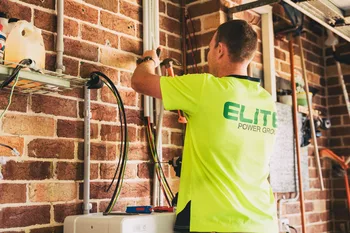
A complete installation includes correctly sized cables, isolators, breakers, surge protection, earthing, mounting structures and monitoring. These parts affect safety and performance just as much as the inverter and panels.
Plan for growth
If your energy needs may increase, discuss expansion before installation. Some inverter, battery and charge-controller combinations scale more easily than others. Planning early can prevent costly replacement later.
Final advice: treat online calculations as preliminary estimates. Have a qualified solar professional perform a load assessment and site survey before equipment is purchased or wiring begins. The right design delivers longer backup time, safer operation and better value over the life of the system.